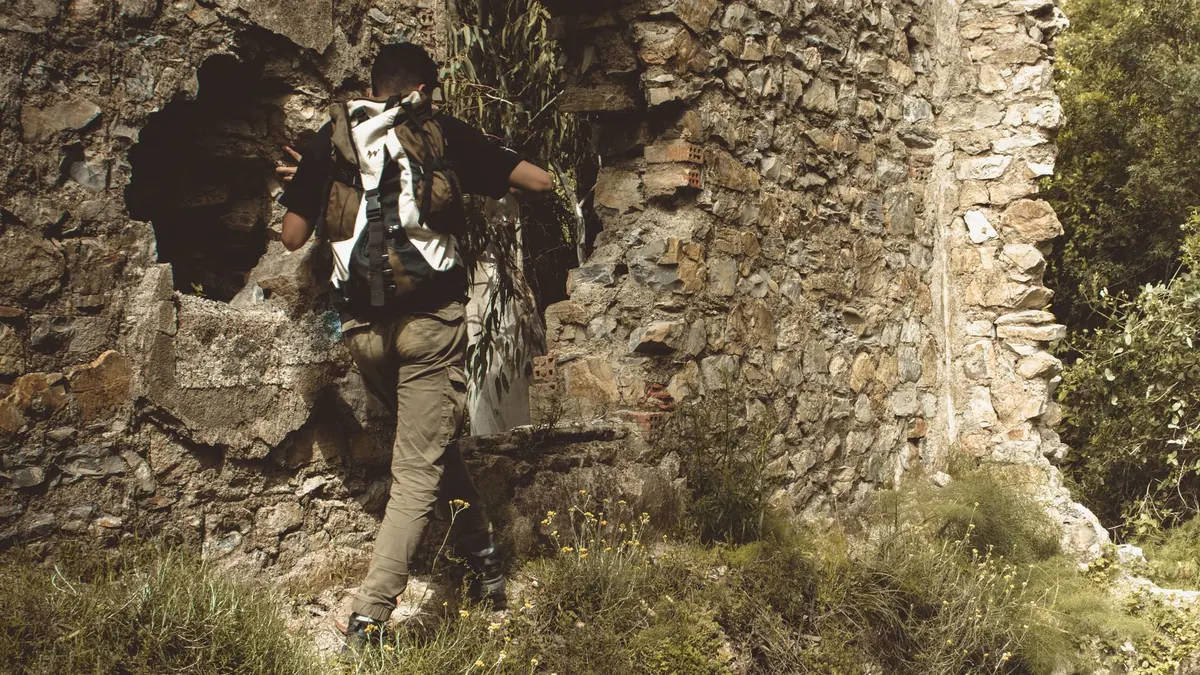
A castle looks uniform from the car park: grey walls, a gatehouse, a flag. Then you get inside and the variables multiply. The tower stair is steeper than the photograph suggested. The great hall is colder than the garden you crossed to reach it. The path to the ruined keep is ankle-deep in loose gravel, and the café locked its doors an hour ago. Packing for a castle visit is less about costume and more about comfort — free hands, steady feet, and enough energy left for the last flight of stairs. What follows is a season-by-season checklist for people who would rather climb than rummage.
Read the Site Before You Read the Weather
Two castles ten miles apart can demand completely different kit. One is a furnished house with heating, carpets and a tea room; the other is a roofless shell on a hill with a gate, a grass path and nothing else. Before you pack, find out whether your ticket covers interiors or grounds only, when last admission is, and whether there is anywhere to buy food or water on site.
A few details are worth checking specifically, because they change what goes in the bag:
- Are lifts available, or are towers reached only by spiral stairs?
- Is parking a proper car park or a sloping field?
- Are large bags, backpacks worn on the back, tripods or drones restricted?
- Can you leave and re-enter during the day — useful if you want to fetch a picnic from the car?
If you have heart, lung or joint conditions, or you are pregnant, it is worth asking a doctor about stair-heavy sites before you book. Many towers have one narrow staircase up and the same one down, with no shortcut.
Summer: Sun, Stone and Long Shadows
Summer is the season people under-pack for, because the car park is warm and the castle is not. Towers act like chimneys: cool and breezy at the bottom, baking under the roof, then cold again in the vaulted cellars. Light layers beat a single heavy shirt.
Bring a refillable water bottle; fountains are rare at heritage sites and the nearest shop may be a mile away. A wide-brimmed hat with a chin cord solves two problems at once, since battlements and wall walks are reliably windy. Light long sleeves and trousers are more comfortable than bare skin against nettles, dry grass and rough stone, especially in ruins and earthworks.
Add sunscreen, insect repellent if there is a moat, lake or formal garden nearby, and a small towel or cloth for benches that have been in full sun. Avoid brand-new sandals. Loose gravel and stone steps find every strap that has not been tested.
Winter: Dress for the Room, Not the Car Park
In winter, the mistake is the opposite. You arrive dressed for a five-minute walk and then spend two hours standing still in a stone room that has never fully warmed up, no matter how good the heating is. Interiors are often heated only in part, and the room with the fire is rarely the room with the furniture you came to see.
A thermal base layer, wool socks and a warm mid-layer do more than a bulky coat, because you can shed the mid-layer indoors and put it back on when you cross the courtyard. A waterproof outer layer with a hood is essential rather than optional. Waterproof trousers look excessive until the path floods.
Small items earn their place in winter: gloves with touchscreen-friendly fingertips so you can show an e-ticket without stripping your hands, a scarf, a flask of something hot, and hand warmers for anyone who feels the cold in their fingers. Days are short too, so plan the outdoor sections for the middle of the day and check closing times carefully — many sites shut at dusk or earlier.
Shoulder Seasons: Layers and Weather That Changes Its Mind
Spring and autumn are the hardest to pack for and often the best to visit. A morning that starts at six degrees can end at eighteen, with a shower in between and a wind that makes both feel colder.
One Layer More Than You Think
Pack a thin fleece or merino mid-layer, a packable rain shell, and a light scarf or buff. The scarf is the most underrated item in the bag: it keeps wind off your neck on a wall walk and doubles as a cushion on a hard bench.
Wet Grass Is the Real Enemy
After rain, earthworks, lawns and gravel paths stay wet for hours. Water-resistant shoes with a decent tread matter more than an umbrella, which you cannot use on many narrow staircases anyway. Spare socks in the day bag are a small luxury that pays off immediately.
Feet First: Footwear for Cobbles, Gravel and Spiral Stairs
No single shoe suits every castle, but the wrong shoe ruins the day. Spiral stairs are worn smooth in the middle, so grip and a snug fit matter more than cushioning. Sandals without a heel strap will come off. Chunky soles with deep lugs can feel clumsy on polished interior floors and are noisy in quiet state rooms.
For ruins, hillforts and tower houses, choose closed shoes with a defined tread and ankle support. For a furnished palace with timed-entry rooms, a comfortable low-profile walking shoe is ideal. Whichever you choose, break them in before the trip and take a spare pair of socks. If you plan to attend an evening event or a formal dinner in a castle, pack the dress shoes separately and change at the door.
The Day Bag: Small Things That Rescue a Visit
Keep the bag light and wear it on your front in crowded interiors, or carry a small crossbody instead. The useful core kit is short:
- Water and a snack — nuts, oatcakes or fruit, in case the café is closed or queues are long.
- A power bank — tickets, maps and timetables live on your phone.
- A small torch — genuinely helpful in dark passages, vaults and cellars.
- Tissues and hand sanitiser — not every site has well-stocked facilities.
- A folded rain jacket — even on a clear forecast, in every season.
- Cash in small notes — for rural car parks, donation boxes and honesty boxes.
- A camera cloth and a plastic bag — for drizzle on lenses and wet clothing afterwards.
Leave the drone, the large tripod and the heavy backpack at home. Many sites ban them outright, and staff will ask you to return to the entrance, which costs you the best part of an hour.
The Night Before: A Five-Minute Check
Pack the day bag the evening before, then run through this once. It takes minutes and prevents the usual small disasters.
- Check the site's opening hours and last admission time, then add travel buffer.
- Screenshot your tickets and parking details in case signal drops.
- Lay out shoes, socks and a spare layer by the door.
- Fill water bottles and charge the power bank.
- Check the forecast for wind and rain, not just temperature, and adjust one layer accordingly.
Then forget the checklist. The best-prepared visitors are the ones who arrive with a free hand, a warm layer tied around their waist, and no plan beyond climbing the highest tower the site allows.
Photo: Abdellah Benziane / Pexels