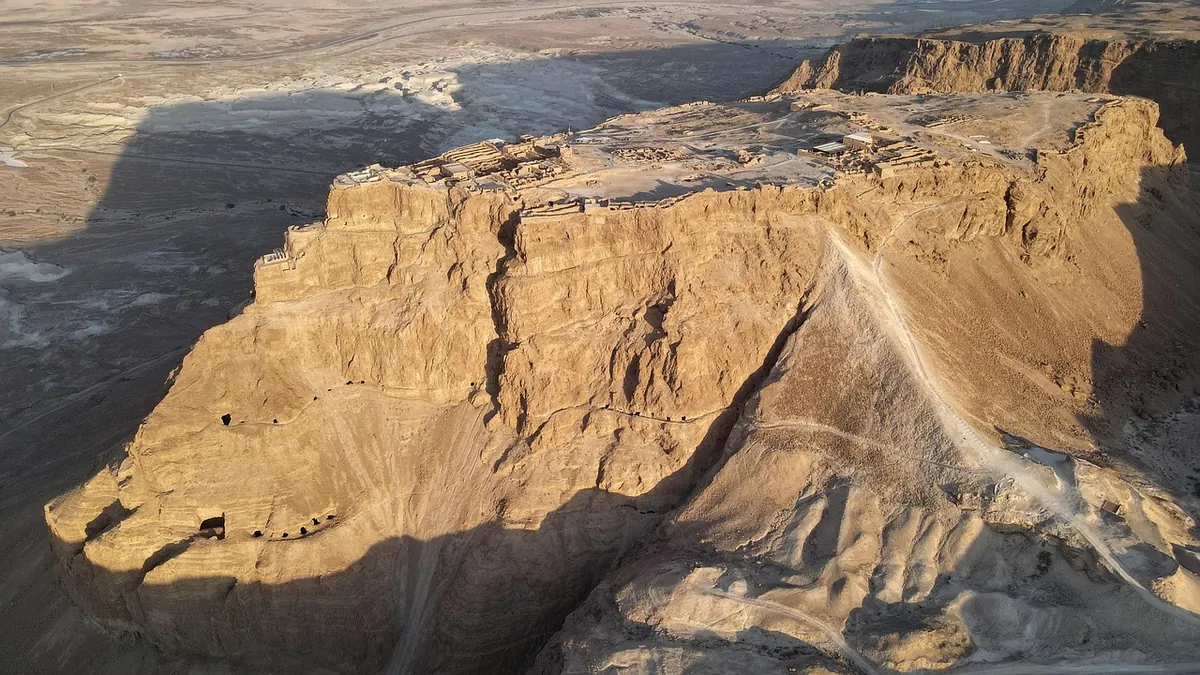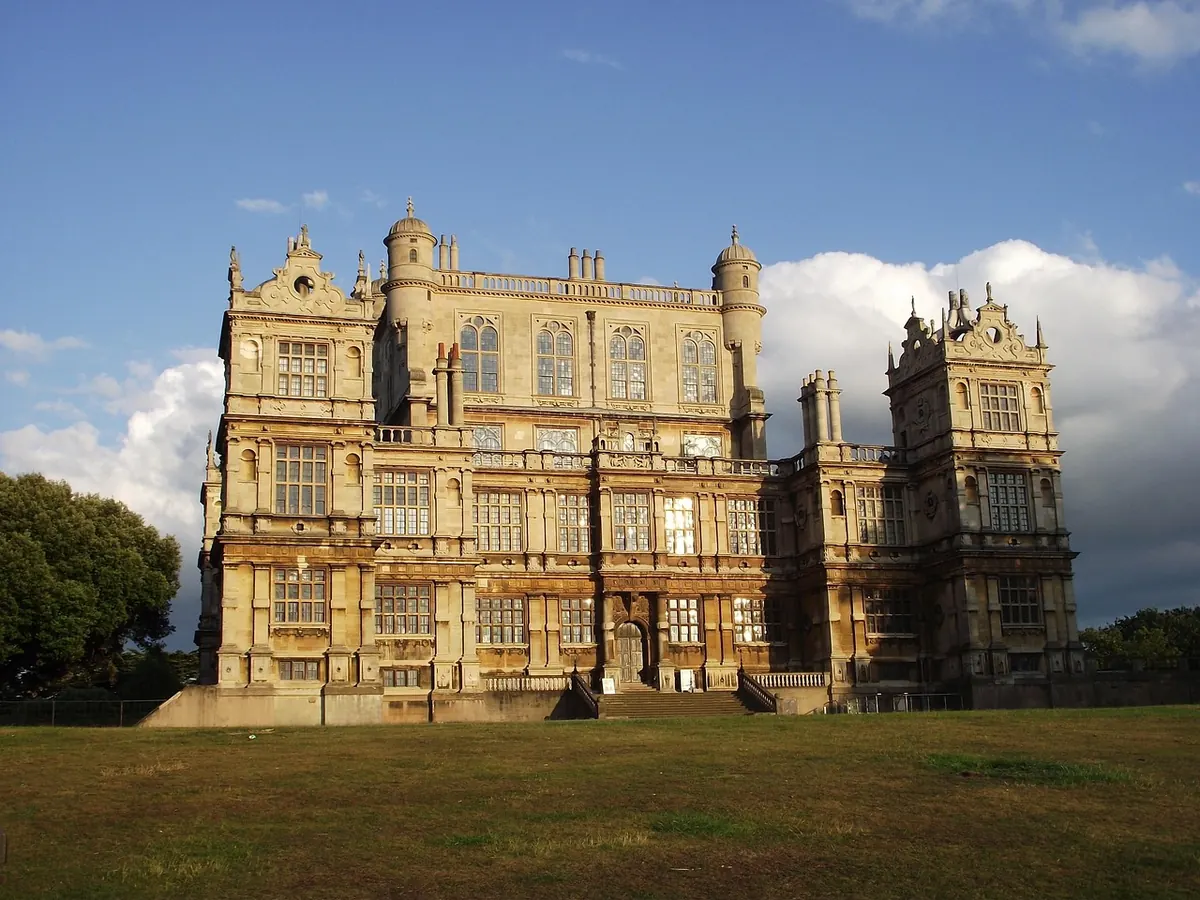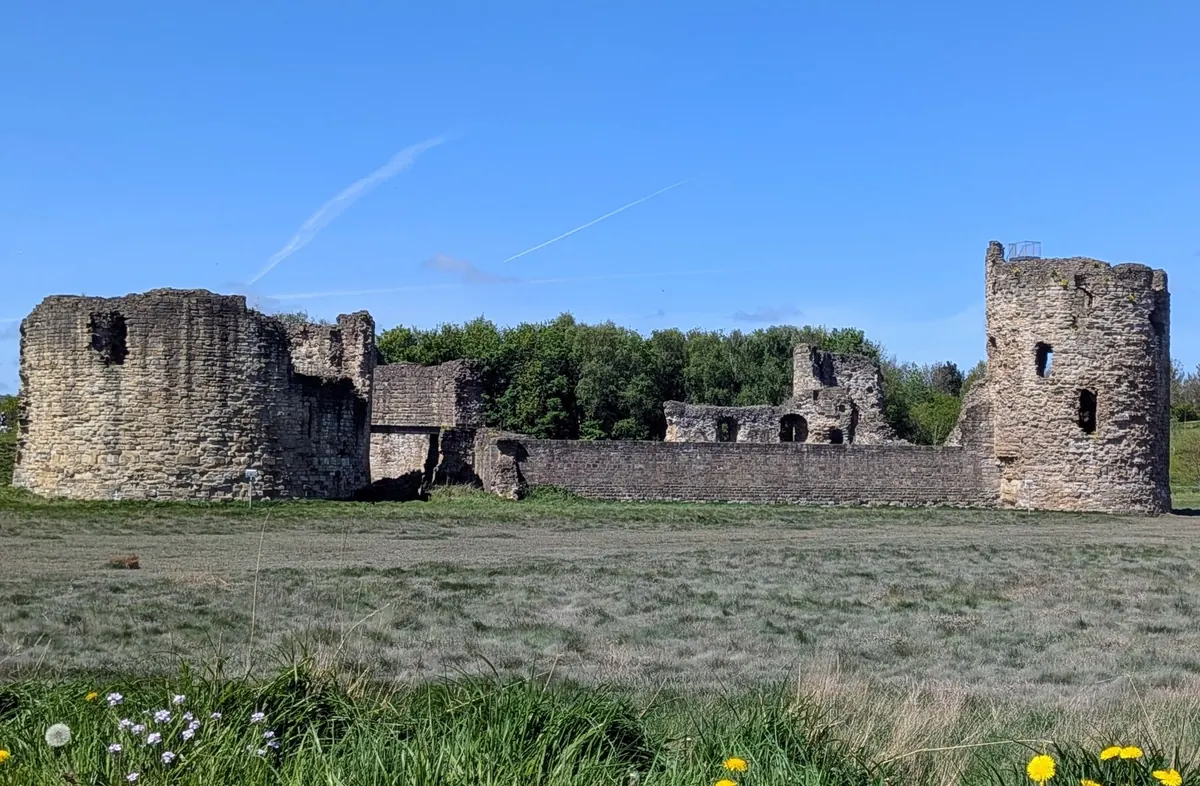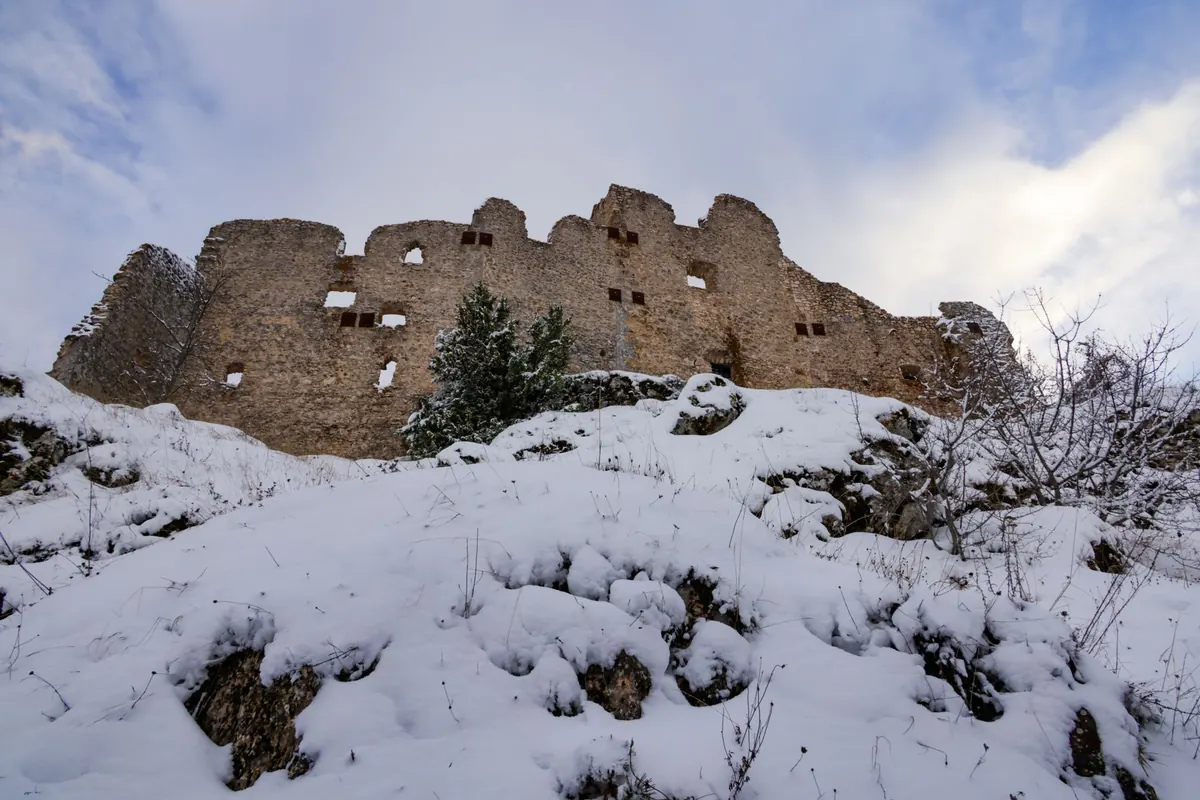
A castle in February belongs to a different world than the one you queued through in August. The ticket desk is quiet, the grass paths are crunchy, and the only sound on the wall walk is wind moving through the arrow slits. It is also the season when gates shut at three in the afternoon, spiral staircases turn glassy with frost, and the café that promised soup is closed until Easter. Knowing what changes in winter turns a cold, disappointing afternoon into one of the best visits you will have all year.
Opening Hours Shrink — and Sometimes Disappear
Almost every castle runs on a seasonal calendar. From roughly November to March, opening days are cut back, sometimes to weekends only, and closing time moves forward to mid-afternoon. Last admission is usually an hour or 90 minutes before the gates shut, which means a 4pm closing time can mean being turned away at 2:30.
It also matters which part of the site you want to see. Large flagship castles in major cities generally stay open year-round with reduced hours, while smaller ruins, tower houses and estate follies often close completely between October and Easter. Even where a site is technically open, the grounds may follow daylight hours while the keep, chapel or furnished rooms stay locked — no staff, no heating, and conservation work that cannot be done with visitors walking through.
Winter is also maintenance season. Scaffolding, roof repairs, rehanging paintings and re-covering furniture all happen once the summer crowds leave, so a room that was open in September may be shut in January for perfectly good reasons.
Before you drive anywhere, check the site's own website or social account for the current week, not the printed guide from last summer. For small, volunteer-run or unmanned sites, phone or email ahead. And note the days either side of Christmas and New Year, when many properties close entirely for a week or more.
The Hazards That Actually Cause Trouble
Cold itself is rarely the problem. Ice, wind, mud and darkness are.
Ice and wet stone
Cobbled courtyards, worn spiral steps and smooth flagstones in shaded corners hold frost long after the sun has reached the car park. Black ice is easy to miss on grey stone, and north-facing stairs may stay icy all day. Handrails are your friend; use them even when you think you do not need to.
Wind on the high points
Wall walks, battlements and gate passages funnel wind. Gusts can be strong enough to unbalance a child or push a walking pole sideways. Keep hold of hats, phones and paper tickets, and stay off exposed parapets in a gale — check whether the site has closed those areas that day.
Flooding, mud and falling branches
Moats, riverside paths and low-lying approach tracks flood in winter, and storms bring down limbs in the woods around estates. If a path is roped off, it is roped off for a reason.
Early darkness
In northern Europe dusk can arrive by mid-afternoon, and many ruins have no artificial lighting beyond emergency exit signs. What felt like a charming cellar at two o'clock can feel genuinely disorienting at four.
Frozen water
Never walk onto a frozen moat, pond or lake on an estate. Ice over moving water and springs is unpredictable.
What to Wear and Carry
Think of a winter castle visit as a short winter hill walk with architecture attached.
- Boots with deep tread, waterproof and ideally above the ankle. Smooth-soled trainers are the single most common cause of a slip on stone stairs.
- Microspikes or slip-on ice grips if there has been a hard frost. They are cheap, pack flat, and transform icy courtyards.
- Layers, not one thick coat: a warm base layer, a fleece, and a windproof and waterproof outer shell. Skip cotton, which stays cold when damp.
- Gloves you can grip with, a hat that covers your ears, and a scarf for exposed walks.
- A small head torch or pocket light with spare batteries, for dark stairs and for the walk back to the car.
- A power bank. Phone batteries drain fast in the cold, and your ticket, map and torch may all be on that screen.
- A flask and snacks. Winter café hours are short and sometimes nonexistent.
- Spare socks in the bag, and a dry cloth for camera lenses that fog when you step from cold air into a heated room.
- A little cash for rural car parks and honesty boxes where card machines are not an option.
Getting There, and Getting Back Before Dark
Castles tend to sit on hills, at the end of narrow lanes, or behind estate drives that are low on the gritting list. Rural roads can stay untreated for days after snow, and the last stretch is often the steepest.
Arrive in daylight and look at where you left the car while you can still see it. Low winter sun can be blinding on the drive home, especially on wet roads. Country bus services are thinner on Sundays and public holidays, and some estate gates are locked at dusk — check the closing time for the car park, not just for the castle, or you may find yourself explaining things to a ranger.
Tell someone your route and expected return time, especially if you are visiting a remote ruin on foot. Mobile signal in glens, valleys and deep woods is unreliable.
Inside the Walls: Cold Rooms and Closed Doors
Unheated stone is often colder inside than out. Ground floors, chapels, cellars and undercrofts hold the chill, and a room that felt atmospheric in July can be genuinely uncomfortable after twenty minutes. If you have a heart or lung condition, or you are visiting with a baby or an older relative, plan shorter spells indoors and take breaks in any heated space the site offers. Speak to a doctor beforehand if you are unsure how cold conditions will affect you.
Access is another winter variable. Spiral stairs are narrow, often one-way, and there is rarely a lift in a building that predates them by five centuries. Check accessibility information before travelling rather than on arrival.
Why Winter Is Worth the Effort
You will have the place largely to yourself. Bare trees reveal earthworks, ridge-and-furrow fields and old siege lines that summer foliage hides completely. Low sun rakes across the stone and shows every mason's mark. Frost on a curtain wall at nine in the morning is worth the numb fingers.
Winter events — Christmas markets in courtyards, candlelit tours, carol concerts in the great hall — are a genuine draw, but they usually run after dark and require pre-booked tickets. Book ahead, arrive early, and dress as if you will be standing still outdoors for an hour, because you will be.
A Simple Winter Visit Plan
Check the site's current opening hours the day before, not the week before, and confirm which buildings are open. Kit up for ice, wind and darkness, with boots you trust and a torch in your bag. Start early, aim to be inside the walls by early afternoon, and leave yourself enough daylight to walk back to the car.
Then enjoy it. Fewer people, sharper light, and a castle that finally feels like what it was built to be.
Photo: Magda Ehlers / Pexels