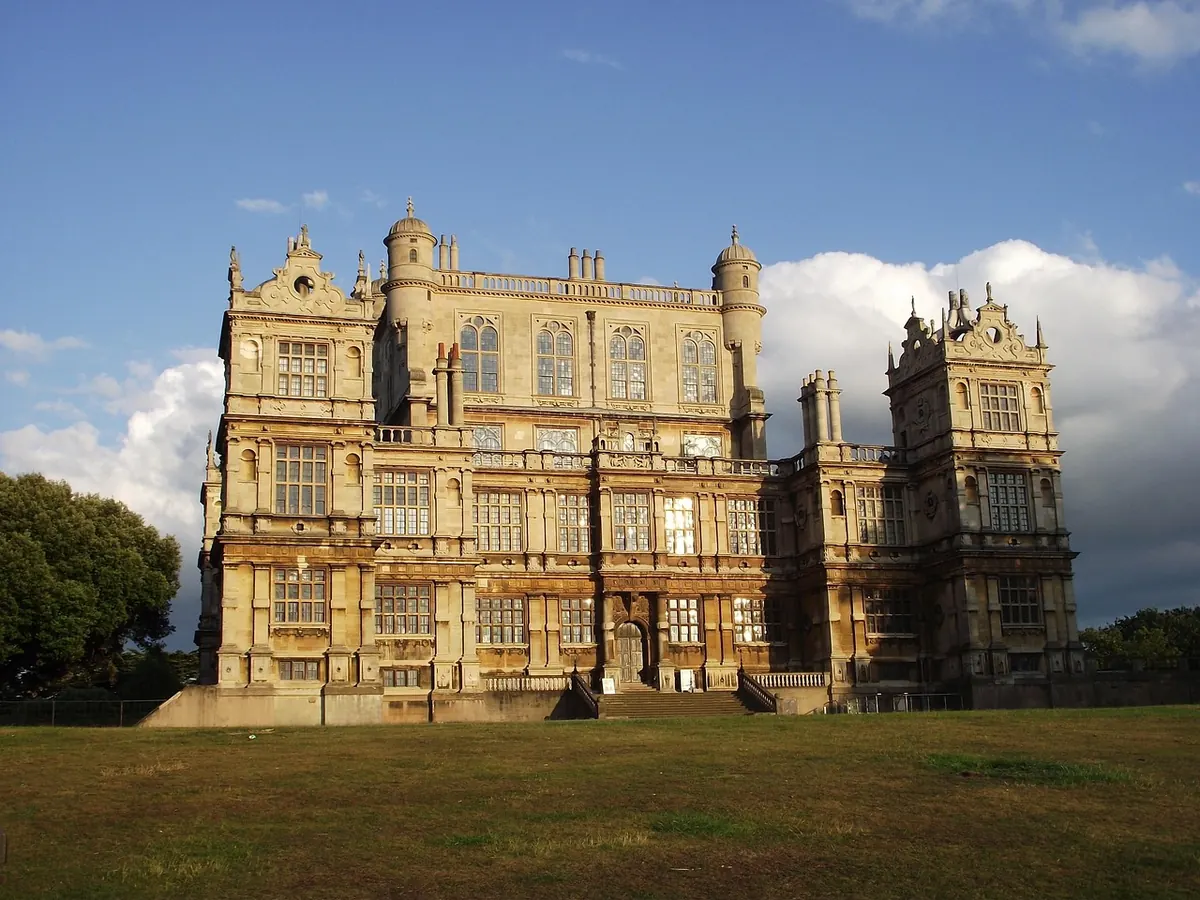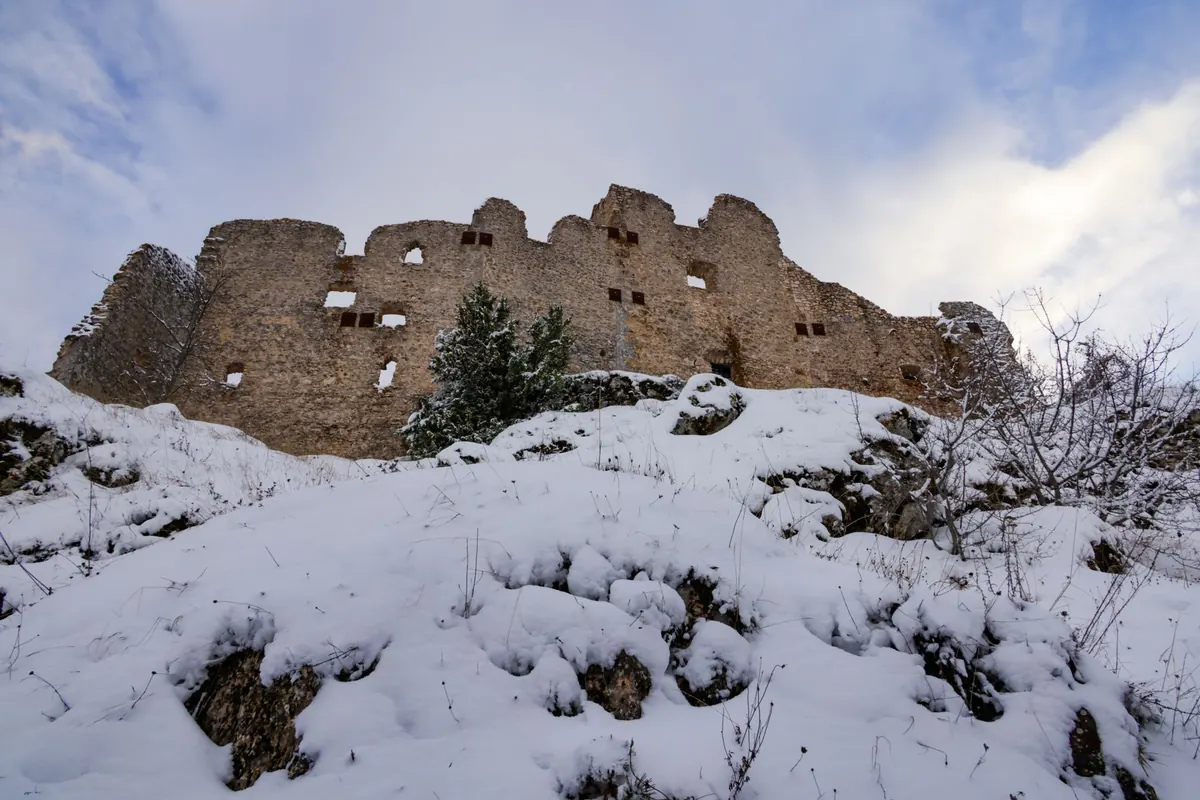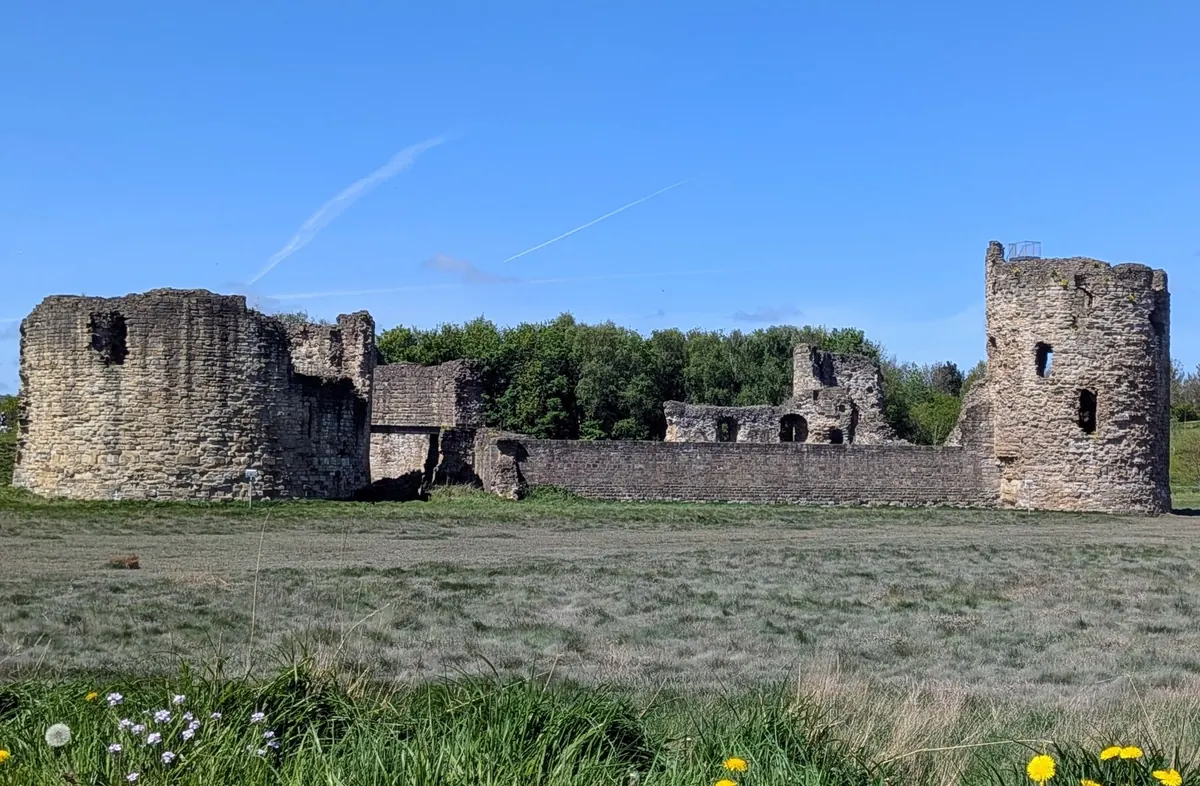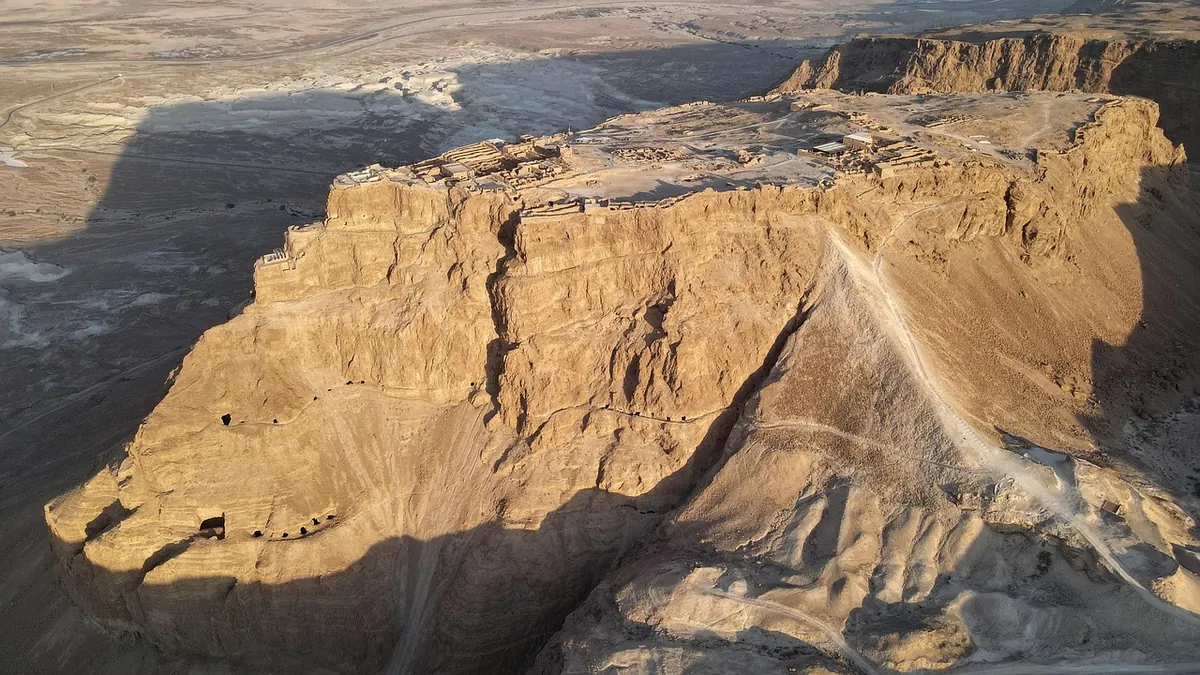
Stand at the gate of almost any surviving castle and you are standing exactly where a besieging army would have wanted to be. The walls above you were built to stop you; the ditch in front of you was dug to slow you down; the portcullis was hung to keep you out. Everything a medieval garrison did made sense only in relation to what attackers could throw, roll, burn and dig. Understanding the three great siege tools — the ram, the trebuchet and the mine — turns a pleasant walk around a ruin into a legible story about fear, engineering and stubbornness.
Start With the Wall, Not the Weapon
Siege engineers did not choose a machine first. They looked at the ground, the water table, the shape of the curtain wall and the number of men they could afford to lose, and then picked an approach. Broadly, there were three ways to beat masonry.
- Go through it — battering rams, picks and, later, gunpowder artillery.
- Go over it — ladders, siege towers, and stone-throwing engines.
- Go under it — mining and sapping, which attacked the foundation rather than the face.
Most real sieges used several at once, alongside the cheapest weapon of all: waiting. Starving a garrison into surrender cost far less than storming a wall, and the arrival of a relief army was the nightmare of every commander camped outside.
The Battering Ram: Simple Idea, Difficult Delivery
A ram is a heavy timber with an iron or bronze head, swung against a gate or a stretch of wall until something gives. The physics are blunt: repeated blows at the same spot crack mortar and loosen stone. What made rams practical was not the log but the shelter around it.
How a ram actually worked
The log was suspended from ropes or chains inside a wheeled wooden housing, often called a cat, sow or tortoise, so that its weight swung freely rather than being lifted by the crew. The roof was covered in hide, and sometimes soaked with water or smeared with clay, to resist fire. A crew of dozens hauled it back and let it run, striking the same point again and again while men with picks widened the damage.
Why defenders slept badly
A ram only reaches its target if it can cross the ground in front of it. That is why castles have deep ditches, steep counterscarps and drawbridges: stop the machine short and the ram is useless. Defenders dropped stones and fire onto the roof, hooked the log with grappling irons to yank it off line, and shot at the crew through arrow loops. Sally ports, small hidden doorways at the base of a tower, let a handful of men dash out to attack the ram where it could not be protected.
The Trebuchet: Leverage, Timing and Patience
The trebuchet is the siege engine people remember, and the one most often drawn wrongly. It is not a giant crossbow. It is a lever: a long arm pivoting on an axle, with a heavy weight at the short end and a sling at the long end.
Traction versus counterweight
The earliest European trebuchets were traction engines, powered by a team of men hauling down on ropes attached to the short arm. They were quick to build and required muscle rather than money. The counterweight trebuchet, which appeared in Europe by the thirteenth century, replaced the team with a fixed box of stone or lead. It was slower to reset but heavier, more consistent, and could be operated by a smaller crew.
Where the skill lived
The sling is the clever part. One end of the sling is fixed to the arm tip; the other end slips free at the right instant, so the stone leaves on a flatter, faster arc than the arm alone could produce. Get the release timing wrong and the projectile goes into the ground — or into your own camp. Crews adjusted range by changing the counterweight, the length of the sling, or the release pin, and used the same engine to throw stone balls, fire pots and quicklime at roof timbers and wooden hoardings rather than at solid masonry. Against a thick stone wall, a trebuchet was less useful than a mine; against the men, timber galleries and roofs behind it, it was terrifying.
Mining: The Attack Nobody Sees
Undermining was quiet, cheap in materials, and decisive when the ground allowed it. A mine attacked a wall's foundation, which is the part no builder can make as thick as the rest.
- Dig a tunnel from a protected spot — a nearby house, a ditch bank, a captured outwork — toward the base of a tower or corner.
- Pack the end of the tunnel with timber props, then dig out the soft ground beneath the wall's footings. The wall is now resting on wooden legs.
- Fill the space with brushwood, fat and pig carcasses, set it alight, and withdraw. As the props burn, the masonry settles, cracks and collapses into the cavity.
The technique demanded specific conditions. Rock, running sand and a high water table all defeated miners. Castle builders fought back with wide, wet ditches to keep tunnels from reaching the wall, and with counter-mines dug out from inside the castle to break into the attacker's gallery. Underground fights in cramped, unlit tunnels were among the nastiest episodes of any siege. Garrisons also listened for digging by placing water in bowls or dried peas on a drumhead against the ground, and built thick, low plinth walls at the vulnerable base of towers.
The Supporting Cast
Rams, trebuchets and mines rarely worked alone. A typical besieging force also deployed:
- Siege towers — wheeled wooden belfries, often as tall as the wall, rolled up a prepared ramp to land a boarding bridge on the parapet.
- Mangonels and springalds — smaller throwing engines that fired stones, bolts and darts to clear defenders from the wall walk.
- Ladders — cheap, fast and lethal, usually used in mass assaults at night or at a stretch of wall weakened by bombardment.
- Gunpowder artillery — from the fourteenth century onward, bombards made the tall curtain wall obsolete and pushed castle design toward low, thick, angled bastions and earthworks.
What to Look For on Your Next Castle Visit
You can read a fortress the way a siege engineer would. Stand outside the gate and ask where a ram could approach; if the answer is nowhere, the ditch is doing its job. Find the sally port at the base of a tower and you have found the garrison's answer to attackers who got too close. Look for machicolations, murder holes in a gate passage and the projecting parapet — all of them exist to drop things on people directly below the wall.
Walk the outside of the curtain wall and check for patches of masonry that differ from the rest, or a tower that leans or has visibly dropped. At several castles, including well-known sites in Wales and on the Scottish border, sections of wall were undermined and later rebuilt, and the repair is often visible if you look for changes in stone, coursing and shadow. And when you find the corner towers, remember that corners attract mines: two walls meeting at an angle make the most rewarding target for anyone with a shovel.
Photo: samirsmier / Pixabay